
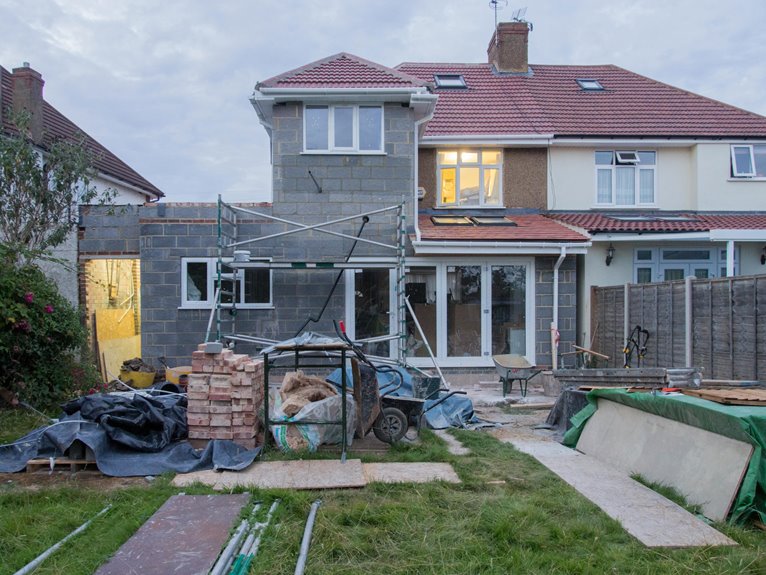
Yes, backyard renovations are absolutely worth it when you’re strategic. I’ve seen decks recover 83% of costs and smart landscaping deliver similar returns. Patios land around 60–70%, while privacy fences add roughly $5,000 in value. Prioritize low-maintenance features and multi-use spaces—things buyers actually want. Start with a solid budget, add a 10–20% cushion for surprises, and avoid costly mistakes like unpermitted work. There’s plenty more insight available on what specific projects will improve your outdoor space into both a functional area to use and a genuine investment.
Yes, but Smart Planning Maximizes Your Return
How do you turn a backyard into something that’ll actually pay you back? I’ve learned that backyard renovations ROI depends on thoughtful choices from day one. When I planned my outdoor living space, I focused on cost recovery projects that matter—like adding a composite deck (68% recoup rate) and installing low-maintenance irrigation (83% return). These moves boosted property value without excess spending.
Smart planning meant getting itemized estimates and padding my budget with 10-20% contingency. I compared what neighbors were doing too, avoiding the trap of overbuilding. By choosing multifunctional areas and maintaining basics like lawn and mulch, I created genuine value. That’s when renovations stop being expenses and become investments.
Which Backyard Improvements Deliver the Highest ROI?
If you’re thinking about which backyard projects will actually pay you back, decks and smart landscaping are your best bets, typically recouping 83% and 83% respectively. What matters most is choosing low-maintenance materials and practical features over the fanciest options, because buyers care way more about easy upkeep than premium price tags. Spend your money on what reduces your future headaches, not on trendy upgrades that’ll drain your wallet before you even list the house.
Decks And Landscaping Lead
When you’re thinking about backyard upgrades, decks and landscaping deliver solid financial returns. Wood decks recoup 83% of their cost, while composite versions return 68%—real money back when you sell. Landscaping performs even better, delivering up to 80% ROI and boosting your home’s street presence.
Buyers today prioritize maintenance-free materials and newer decks that require minimal upkeep. Your front-yard visibility matters significantly. Smart decks and thoughtful landscaping directly influence how people perceive your home’s resale value. Together, they’re the combination that works.
Maintenance Beats Premium Materials
Why’d I spend thousands on fancy Italian pavers when my neighbor’s basic concrete pad—sealed and swept regularly—looked just as good to appraisers?
That’s when I learned the hard truth: maintenance beats premium materials every time. Appraisers care way more about durability and upkeep than luxury finishes. A well-maintained landscape with proper drainage and sprinkler systems recouping 83% of costs beats overpriced stone any day.
I shifted my strategy. Instead of splurging on materials, I invested in systems that last. Quality irrigation. Regular sealing. Smart landscaping choices designed for minimal fuss, maximum longevity.
Your ROI skyrockets when you focus on what actually matters to buyers: features that stay pristine with reasonable effort. That’s where real value lives—not in the price tag, but in the care.
Patios: 60–70% Cost Recovery With Lasting Appeal
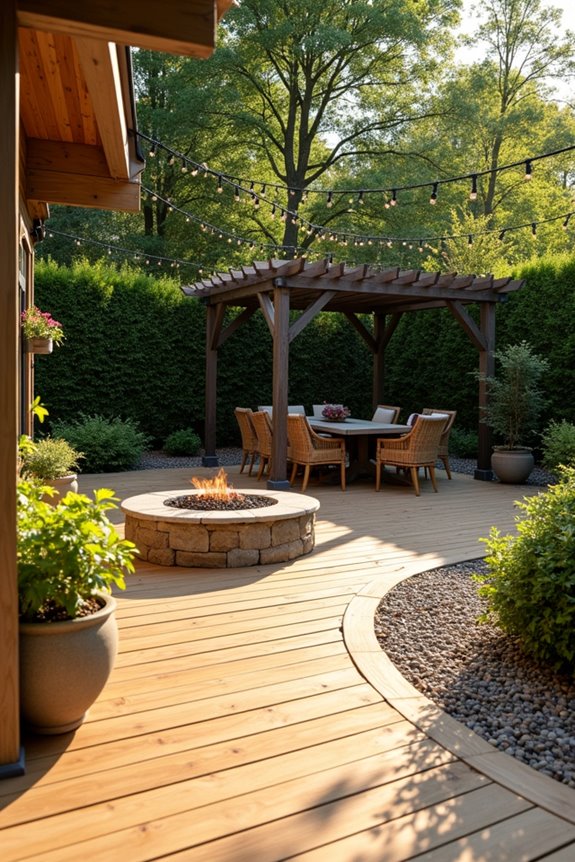
How much of your patio investment actually comes back when you sell? You’re looking at 60–70% cost recovery, which is solid for a landscaping project that delivers daily functionality.
A well-built patio—whether pavers or concrete—defines your outdoor space. It creates distinct zones for dining, lounging, and cooking that buyers can readily picture themselves using. That practical appeal translates to $3,000–$5,000 in appraisal impact.
What matters most: durability beats aesthetics alone. I prioritize well-maintained patios that resist cracks and weeds. That combination of functionality and visual appeal delivers real return on investment.
Patios serve as the foundation for backyard improvements. Pair them with lighting or a deck, and you’re building value efficiently. They establish the base that makes everything else work.
Decks: Wood Recoups 83%, Composite Recoups 68
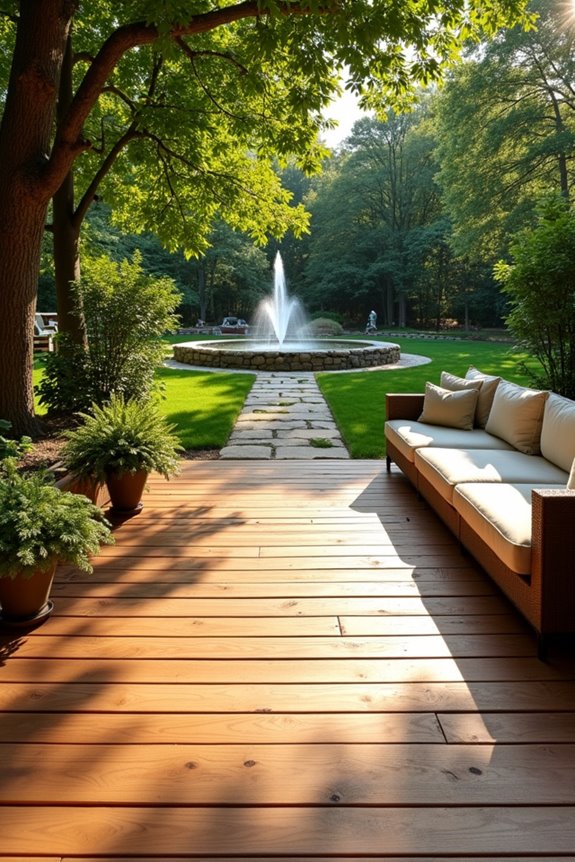
If you’re thinking about adding a deck to your backyard, here’s what I’ve found: wood decks return about 83% of what you’ll spend, while composite decks bring back roughly 68%.
The difference matters. Wood gives you better return on investment, but composite offers something wood doesn’t—genuine maintenance-free materials. You won’t spend weekends staining or sealing a composite deck.
Both choices expand your outdoor living space. They create that gathering spot where memories happen. I’ve noticed buyers progressively prefer low-maintenance options, which favors composite despite its lower recoup rate.
Here’s my take: choose wood if you enjoy upkeep and want maximum dollars back. Pick composite if you’d rather relax on your deck than maintain it. Either way, you’re investing in the lifestyle you actually want.
Privacy Fences: Add $5,000 in Typical Value
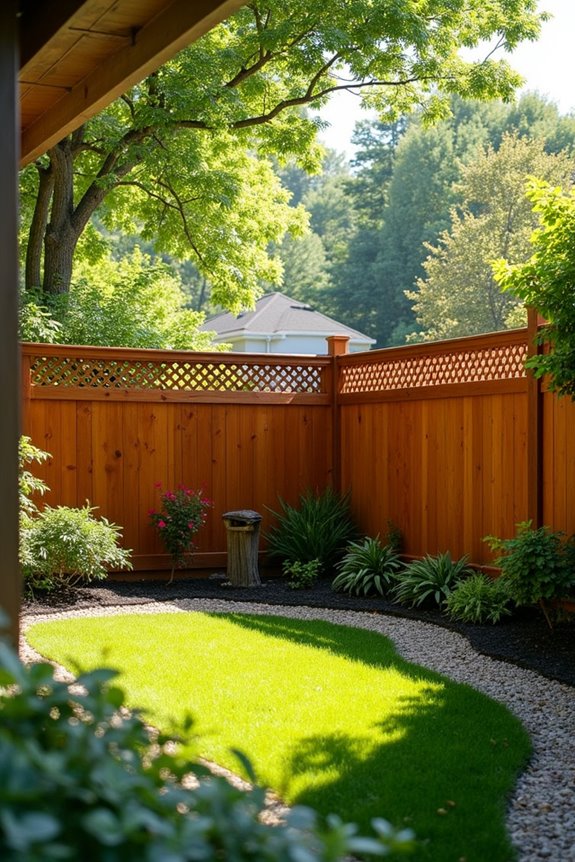
When you’re standing in your backyard, do you feel like it’s really yours? A privacy fence might be exactly what you’re missing. I’ve found that adding a privacy fence typically boosts your home value by about $5,000—a meaningful return on your backyard renovations investment.
Here’s why I recommend them: they define your property lines, keep kids and pets safe, and create that private outdoor space you need. Plus, they reduce unwanted attention from neighbors, making your outdoor space genuinely usable.
Unlike some backyard renovations with mixed ROI, privacy fences consistently add real value to your property. They’re practical, they’re protective, and they signal to potential buyers that you’ve invested in creating something special. That’s the kind of home value boost worth celebrating.
Outdoor Kitchens: 55–200% Recoupment for Long-Term Owners
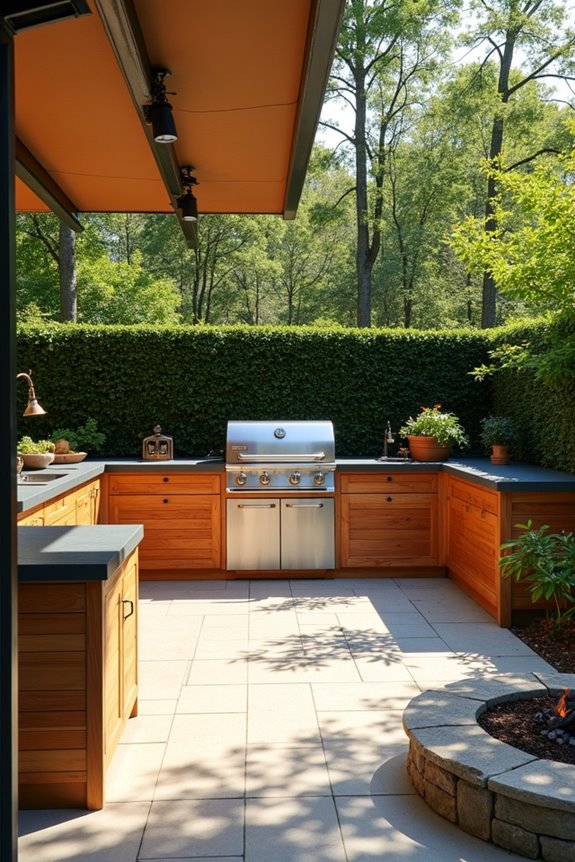
If you’re thinking about adding an outdoor kitchen to your backyard, here’s what I’ve learned: the payback can range from 55% all the way up to 200% of what you spend, especially if you’re planning to stick around for years. I’d focus on the must-haves—a good built-in grill, a durable countertop, a prep sink, a compact fridge, and smart storage—because these features are what actually grab buyers’ attention and boost your home’s value by about 3.1%. The real benefit happens when you stay put long enough to enjoy cooking and entertaining outside yourself, which means you’re getting two advantages: years of backyard use now, plus a stronger payoff when you eventually sell.
Cost Recoupment Range
How much of your outdoor kitchen investment can you actually get back? Here’s the honest truth: outdoor kitchens ROI ranges from 55% to 200% for long-term owners. That’s a pretty wide spread, right? The difference comes down to how long you’re staying put.
If you’re planning to enjoy your space for years, you’re building real value. Zillow data shows homes with outdoor features sell for about 3.1% more. That’s meaningful. You’re not just throwing money away—you’re creating a gathering place your family actually uses while boosting your home equity ROI.
The resale impact matters most when you’re committed to staying awhile. Your outdoor kitchen becomes less about selling and more about living well today.
Long-Term Owner Benefits
The real value of an outdoor kitchen happens when you stop thinking about selling and start thinking about living. I’ve learned that long-term owner benefits go way beyond ROI numbers. When you’re staying put for years, that outdoor kitchen becomes your gathering place—where family dinners happen and friendships deepen.
You’re investing in daily joy, not just home value. A quality grill, durable countertop, and prep sink change how you actually use your backyard. You’re creating memories in that space. Sure, the 55–200% recoupment range matters if you eventually sell, but here’s what really counts: those summer nights, the entertaining you’ll do, the life you’ll live.
Outdoor renovations reward patient owners who understand that belonging matters more than balance sheets.
Essential Features And Strategy
So what actually makes an outdoor kitchen worth building? I’ve found that the best setups balance practicality with quality. You’ll want to focus on features that genuinely get used—an inset grill, prep sink, compact refrigerator, and solid storage space. These aren’t fancy extras; they’re the backbone of daily entertaining.
| Feature | Why It Matters |
|---|---|
| Durable Materials | Withstands weather; protects your investment |
| Functional Layout | Makes cooking and hosting feel natural |
| Quality Countertops | Handles prep work; lasts years longer |
Here’s the real strategy: invest in durable materials and smart design now. You’re looking at 55–200% cost recoupment while gaining a resale uplift of about 3.1%. More importantly, you’re creating a space where your community gathers. That’s where the value really lives.
Low-Maintenance Irrigation: 83% Cost Recovery by NAR
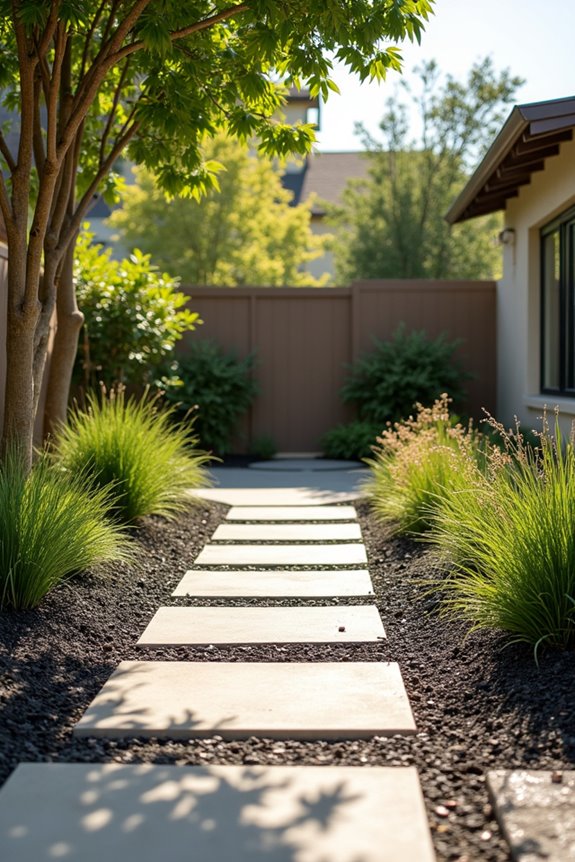
Why should you care about upgrading your irrigation system? Because smart watering solutions directly impact your home’s appeal and resale value. According to the National Association of Realtors, low-maintenance irrigation projects recover 83% of their costs—a solid return on investment.
I’ve learned that efficient irrigation does double duty: it saves water and cuts down on maintenance time. You’re not spending weekends dragging hoses around. Instead, you’ve got a hands-off system keeping your landscape looking sharp.
When you pair irrigation upgrades with other backyard improvements, they enhance your property’s value and demonstrate to buyers that you’ve made deliberate investments. That’s how backyard improvements become financially sound decisions, not just nice-to-haves.
Avoid These Five Improvements That Hurt Resale Value
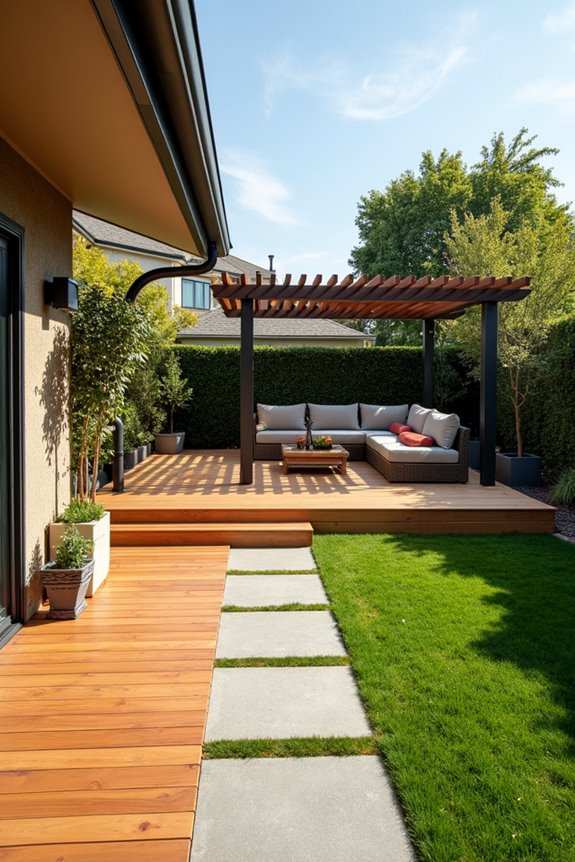
Not every backyard upgrade pays off when you sell, and I’ve learned that some popular choices actually work against you—artificial turf that looks fake after a few years, sprawling concrete surfaces that crack and stain, and DIY work done without permits that inspectors flag during closing. These improvements eat into your budget but don’t add back the money you spend, and buyers notice when corners were cut or shortcuts were taken. Before you commit to a big project, it’s worth asking whether it’ll appeal to the next owner or if you’re just betting on something that’ll hurt your bottom line.
Artificial Turf Drawbacks
When I first looked into artificial turf for my backyard, I’ll admit—I was sold on the promise. Low maintenance? Perfect. But here’s what I learned: artificial turf drawbacks are real. The heat underfoot is intense, drainage problems create soggy spots, and quality varies wildly between brands.
In my drought-prone area, I realized native plants and water-wise landscaping made more sense. These alternatives actually increase resale appeal—buyers prefer sustainable choices. Plus, maintenance costs matter long-term. That artificial turf? It needs replacing in 8–10 years anyway.
Now I understand: well-maintained native plants boost buyer confidence more than fake grass ever could. They reduce water bills, require less upkeep, and improve your home’s value. That’s the conversation I wish someone had with me earlier.
Excessive Concrete Surfaces
My giant concrete patio became a liability instead of a selling point. Those cracks, discoloration, and weeds? Buyers noticed everything. I learned that excessive concrete surfaces actually hurt exterior value.
| Issue | Cost | Solution |
|---|---|---|
| Cracked concrete | $500–$2,000 repair | Pressure wash & seal |
| Weathered appearance | High maintenance | Interlocking deck tiles |
| Weed growth | Ongoing upkeep | Updated hardscaping |
Removing that patio entirely? Way too expensive. Instead, I discovered that keeping concrete pristine requires constant patio maintenance—pressure washing, sealers, cleaners. When aging concrete shows its age, hardscaping alternatives like modular tiles offered better resale impact at a reasonable cost.
I’ve learned: integrate landscaping and smaller, well-designed features. That’s how you maximize your comeback.
Unpermitted DIY Work
Why do so many of us skip the permit process? Honestly, it feels faster and cheaper. But here’s what I’ve learned: unpermitted work can tank your home’s resale value.
When you hire a contractor without permits, you’re risking serious problems:
- Code violations that appraisers won’t include in your home’s value
- Safety issues that future buyers will demand you fix before closing
- Lower sale prices because buyers see unpermitted work as a liability
I thought my DIY deck project was saving money. Instead, it created headaches. Appraisers focus on overall condition, not your material costs. Poor-quality results hurt value regardless.
For major projects like decks, contractor oversight protects what matters most—your investment. Permits aren’t bureaucratic obstacles. They’re your safeguard against costly post-sale remediation and buyer walkouts.
Budget-Friendly Upgrades That Don’t Require Contractors
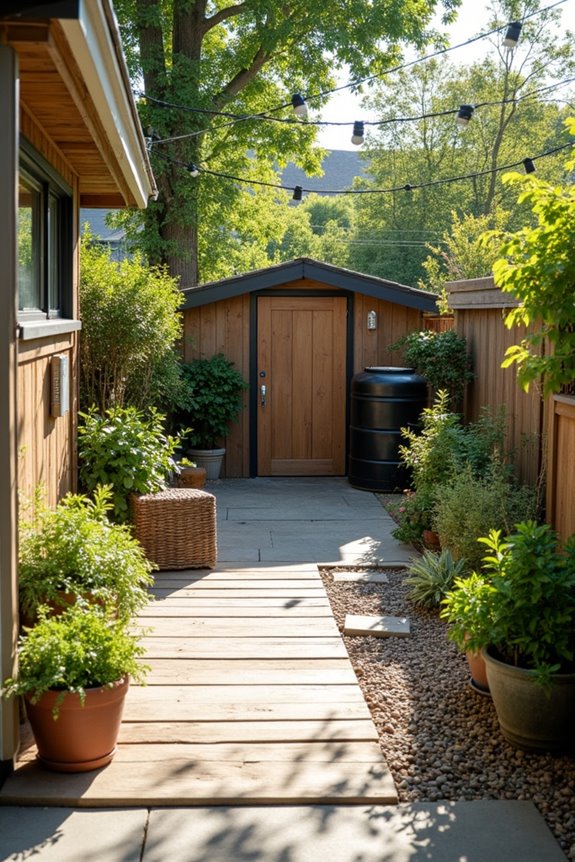
How much better could your yard look without spending thousands on professional help? I’ve discovered that budget-friendly upgrades deliver serious ROI—and you can do them yourself.
Start with what you’ve got. Fresh mulch, crisp edging, and trimmed hedges improve curb appeal instantly. I spent maybe $50 on materials and gained real satisfaction watching my landscape improve. Fix that broken sprinkler head. Mow regularly. These simple DIY maintenance tasks protect your investment before expanding elsewhere.
Fresh mulch, crisp edging, and trimmed hedges transform curb appeal instantly—all for about $50 in materials.
Landscaping doesn’t demand contractor fees to add value. Well-done projects return up to 80% ROI. You’re not alone in wanting this improvement—your neighbors are probably feeling the same way.
Keep things durable and low-maintenance. Align with what works nearby. You’ll maximize value without overextending yourself, building confidence one weekend project at a time.
How to Finance Your Backyard Renovation Project
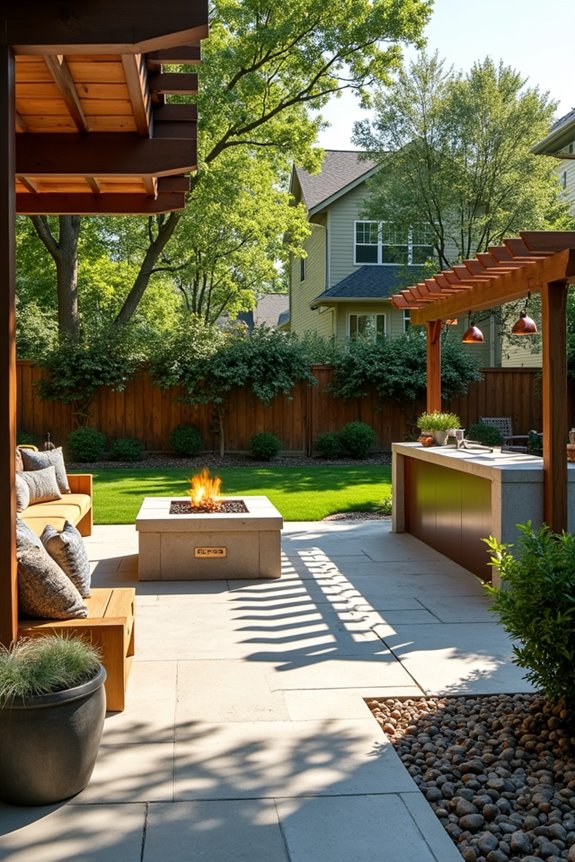
Once you’ve decided on your backyard vision—and maybe tackled a few DIY projects to build momentum—you’ll probably need to think about how to actually pay for the bigger stuff.
Here’s what works:
- Home equity loans or HELOCs – These offer lower interest rates than personal loans because they’re backed by your home. HELOCs give you a credit line during a draw period, though balloon payments can surprise you later.
- Compare your financing options – Check interest rates, eligibility requirements like credit score and debt-to-income ratio, and understand the real risk if payments get tight.
- Build a realistic budget – Add a 10–20% contingency cushion. Timing matters too—seasonal pricing shifts, so planning ahead saves money.
The key? Don’t rush. Match your financing with your project scope.
The Long-Term Wealth-Building Case for Outdoor Improvements
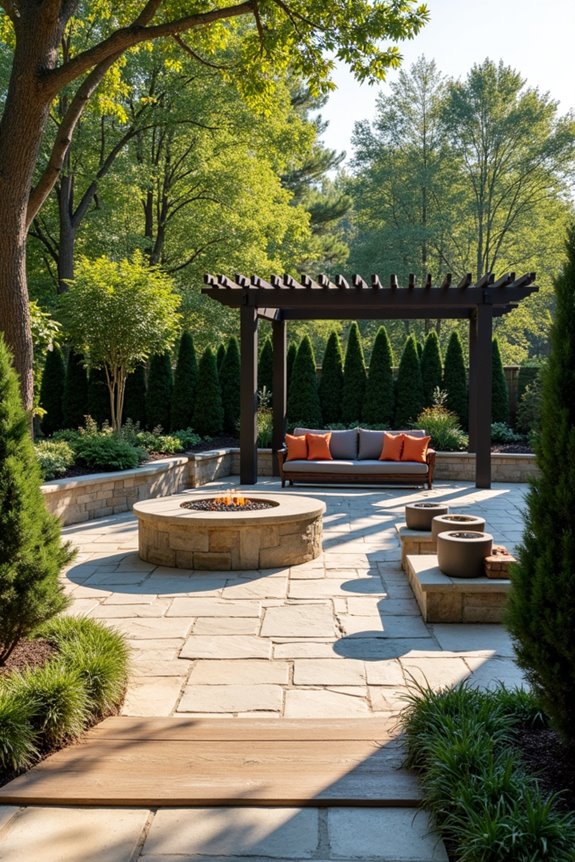
Think of your backyard as an investment that pays you twice—once through the joy you get from it today, and again when it is time to sell. Smart outdoor renovations boost your home’s ROI by 5.5% to 12.7%, particularly in competitive neighborhoods. Multi-use spaces—like a deck that doubles as an outdoor kitchen—outperform single-purpose features when it comes to resale value. Landscaping, particularly mature fruit trees, can add roughly 15% to your property’s worth over time. The key? Stay aligned with your neighborhood’s standards. Overspending beyond what comparable homes offer won’t guarantee returns. Your backyard value depends on matching local expectations while creating spaces your family genuinely uses today.
Key Questions to Ask Before Breaking Ground
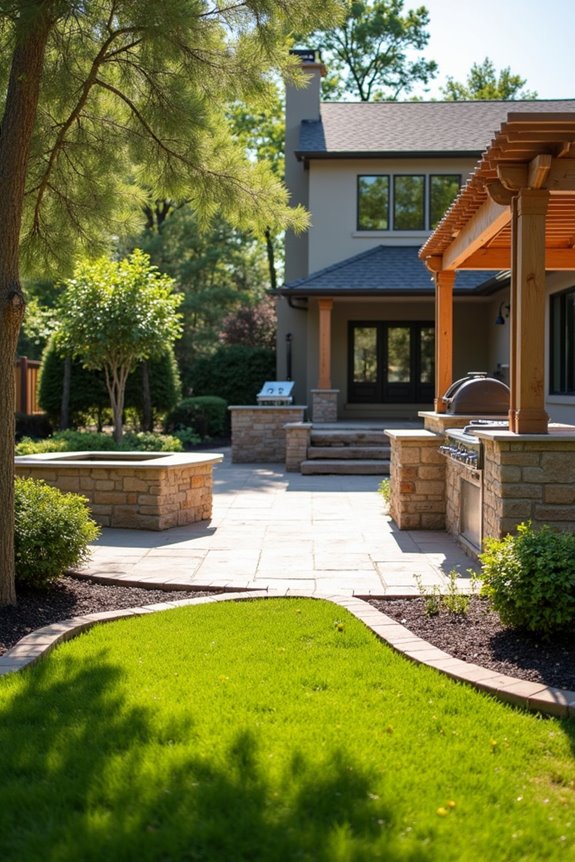
Before you call that contractor or break out the shovel, you’ll want to get crystal clear on what you’re actually doing—and what it’ll cost you.
Before calling a contractor, get crystal clear on what you’re doing—and what it’ll cost you.
I’ve learned that asking the right questions upfront saves real money and headaches. Here’s what matters:
- What’s my actual budget? Set a clear number, then add 10–20% for unexpected costs like permits or demolition surprises.
- Are these quotes truly comparable? Request itemized quotes from multiple contractors. Ask whether they’re using in-house crews or subcontractors—it affects quality and timelines.
- Will this boost my ROI? Multi-use outdoor spaces like decks and patios drive buyer interest. Prioritize projects that serve your lifestyle now while building future wealth.
Getting these answers prevents costly mistakes.