Boho isn’t out of style—it’s just matured. Where 2020 boho was all cream linens and whitewashed wood, today’s version goes deeper with jewel tones like emerald and sapphire layered over warm neutrals. You’re moving toward spaces that feel genuine rather than curated for social media, filled with handmade pieces and real stories. It’s less about matching trends and more about comfort, texture, and items with actual provenance. The shift from fleeting to meaningful is exactly why boho keeps working in 2026. Want to know how to refresh yours?
Why Boho Keeps Working: Timeless Values
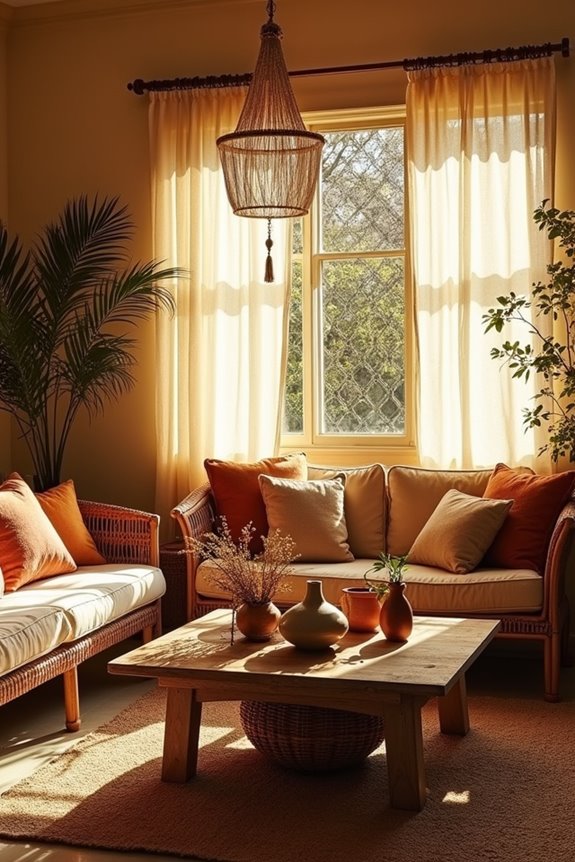
Why does boho feel so right, even now in 2026? I think it’s because boho isn’t really about trends—it’s about values we actually care about. When I surround myself with natural textures like jute and rattan, I’m choosing comfort over perfection. Artisanal pieces tell stories. That handwoven kilim cushion? It carries someone’s hands, their time, their skill.
Boho thrives because it celebrates slow living. I’m not chasing what’s new; I’m treasuring what lasts. Mixing eras and textures means my space reflects what matters to me, not a showroom template. The patina on vintage wood, the organic weave of a rug—these aren’t flaws. They’re proof of realness.
That’s why boho endures. It belongs to people who want homes that feel lived-in and loved.
How Has Boho Evolved Beyond Its 2020s Peak?
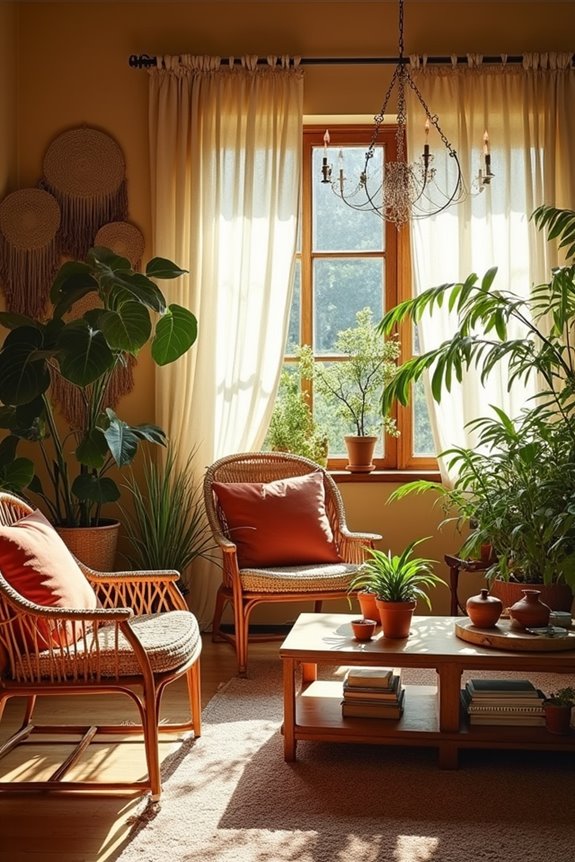
If you’d walked into my living room in 2020, you’d have seen light everywhere—cream linens, whitewashed wood, macramé hanging from every available surface.
Today? It’s completely different.
My style now layers deeper jewel tones with natural elements—think emerald walls paired with terracotta pottery. I’ve ditched the all-white aesthetic for maximalism that actually tells my story. Each piece matters. I’ve invested in handmade textiles from local artisans instead of mass-produced decor, and it shows.
| 2020 Boho | 2026 Boho | Why It Shifted |
|---|---|---|
| Light & airy | Layered & deliberate | Desire for depth |
| Fast fashion | Artisan pieces | Sustainability focus |
| Breezy vibes | Richer hues | Personal storytelling |
| Dominant trend | Mixed with other styles | Creative freedom |
This isn’t abandoning boho—it’s honoring who I’ve become.
The Darker, Jewel-Toned Boho Aesthetic Taking Over
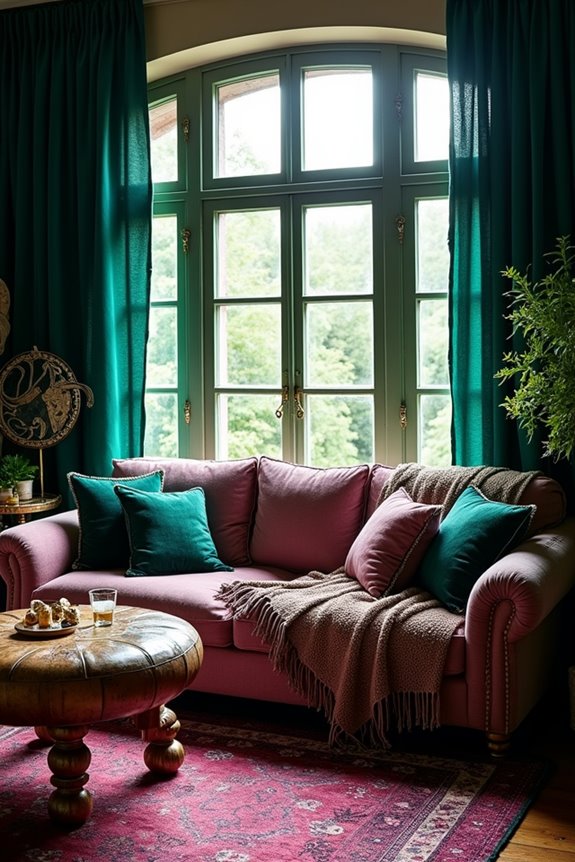
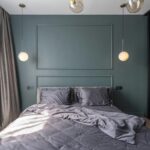
But here’s what I’ve really noticed: that breezy, all-white boho everyone loved in 2020 doesn’t resonate the same way anymore. I’ve shifted toward darker boho instead. Jewel tones like emerald and sapphire now anchor my spaces in ways those pale pastels never did. There’s something grounding about layering rich amethyst walls with plush textures and natural materials. It feels collected and deliberate. The darker boho aesthetic isn’t cold—it’s moody and sophisticated. I’m pairing these saturated colors with earthy neutrals and organic elements, creating depth that makes rooms feel like they’ve been thoughtfully gathered over time. This shift keeps boho feeling current while honoring what made it special: that free-spirited, worldly vibe.
Why Comfort and Personality Outweigh Viral Aesthetics
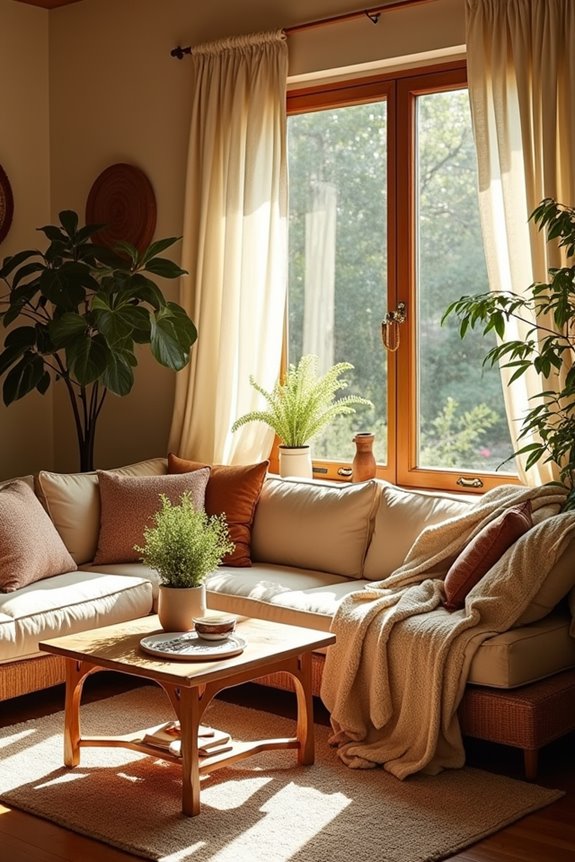
I’ve noticed that what matters most to me now isn’t whether my space looks good in a photo—it’s whether it feels good when I’m actually living in it. Instead of buying matching sets from one store to create that “perfectly styled” look, I’m drawn to mixing a vintage rug I found at an estate sale with handmade pillows from a local maker and artwork that means something to me. That’s where the real satisfaction happens: when my home tells *my* story instead of chasing whatever’s trending on social media this week.
Living Spaces Over Picture-Perfect
How’d we get here—to a place where your living room doesn’t need to look like a magazine spread to feel beautiful?
I think we’re finally exhaling. We’re ditching the pressure to have every corner perfectly styled for Instagram. Instead, boho style is evolving into something real—spaces that actually work for how you live.
Your lived-in spaces now tell your story. That vintage chair mixed with a modern sofa? Perfect. The mismatched throw pillows collecting over years? They belong there. These imperfections create depth and character that staged rooms never capture.
We’re choosing comfort over performance. A room you genuinely enjoy spending time in beats one you’re afraid to mess up. That’s the shift. Your home becomes a reflection of you, not a showroom.
Authenticity Replaces Curated Perfection
What if the most beautiful room you own is one you’d actually want to live in?
I’ve stopped chasing Instagram aesthetics. Instead, I’m filling my space with pieces that feel like *me*—a worn vintage chair, mismatched pillows, books stacked everywhere. This shift toward authenticity means ditching the pressure to look perfect.
Comfort matters more now. I want plush textures, rounded furniture, and spaces that invite me to curl up with tea. My grandma’s quilts drape casually over the sofa. Handmade pottery sits imperfectly on shelves.
Real life is messy and beautiful. Scuffs, fading, patina—they tell stories. I’m keeping that thrifted dresser with visible wear. These aren’t flaws; they’re proof something’s loved.
Boho isn’t dead. It’s just becoming honest.
How to Modernize Boho Without Falling Into Predictable Clichés
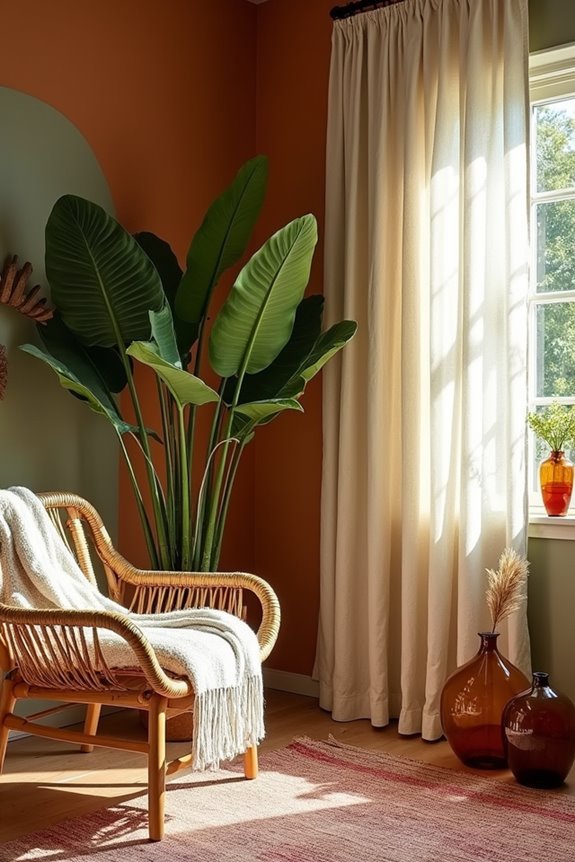
I’ve found that the easiest way to keep Boho from feeling like a dated festival costume is to stop treating every surface like it needs pattern and color—instead, I’m building depth with jewel tones like emerald and sapphire against warm neutrals, which creates a more deliberate and mature aesthetic. When you layer textures thoughtfully—think a chunky linen throw over a sleek chair, or rattan paired with smooth leather—you’re creating visual interest without the chaotic maximalism that made 2020s Boho feel exhausting. The difference between “cluttered” and “well-considered” often comes down to choosing pieces that actually matter to you rather than just grabbing anything labeled “artisanal” or “global.”
Depth Through Jewel Tones
When you’re standing in your living room surrounded by macramé and dusty rose throw pillows, you might wonder if your beloved Boho aesthetic is starting to feel a bit tired.
Here’s the truth: Boho isn’t dying. It’s just getting richer. Jewel tones like emerald, sapphire, and ruby bring sophistication to your space without ditching that relaxed, free-spirited vibe you love.
How to use jewel tones effectively:
- Paint one accent wall in deep sapphire
- Layer jewel-toned textiles over neutral furniture
- Add ruby or emerald throw pillows strategically
- Drape jewel fabrics as focal points
- Pair dark hues with rattan and wood
These saturated colors work as accents against warm neutrals and organic textures. You’re creating depth and luxury while keeping things grounded. That’s modern Boho done right.
Curated Layering Over Saturation
The approach to modern Boho that works well in 2026? Curated layering over saturation. I’ve learned this through practice—more stuff doesn’t equal better design.
Instead of cramming every earthy tone into one room, I’m being selective. I pair terracotta with moss green, then anchor everything with similar wood tones. Each piece has a story, a purpose. My vintage rug isn’t just decoration; it connects to my travels.
Think soft textiles layered with rattan and handmade ceramics. Add subtle metallics and plaster-like walls. This approach feels lived-in, collected over time. It’s not chaotic because everything speaks the same language.
You’re not just decorating—you’re communicating something about yourself. That’s what makes modern Boho feel genuine and lasting.
Keeping 2026 Boho Fresh: Layered Textures and Natural Materials
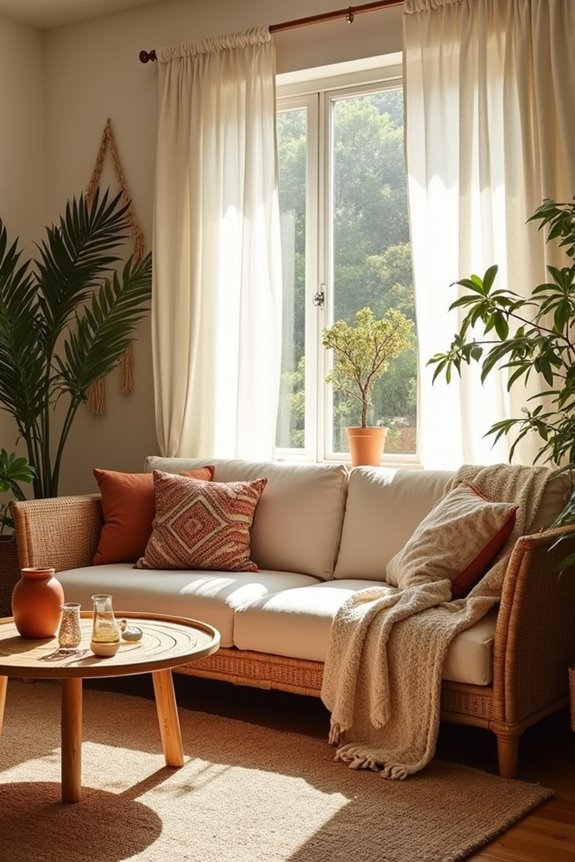
Layered textures are what’s keeping boho relevant in 2026, and I’m here for it. I’ve realized that mixing natural materials creates spaces that actually feel lived-in and real, not overdone.
Here’s what’s working right now:
- Combining rattan, jute, and linen with rich quilts and pillows
- Using terracotta and moss green instead of pale pastels
- Adding hand-crafted details that aren’t perfect (that’s the point)
- Choosing statement wall art paired with trailing plants
- Skipping the clutter trap entirely
When you layer thoughtfully, your space has room to breathe. You’re creating depth without overwhelming everything. It’s slower living meets actual comfort. The textures ground you, making your home feel genuinely inviting rather than like a magazine spread nobody can actually relax in.
Small Updates That Refresh Boho Spaces Without Redecorating
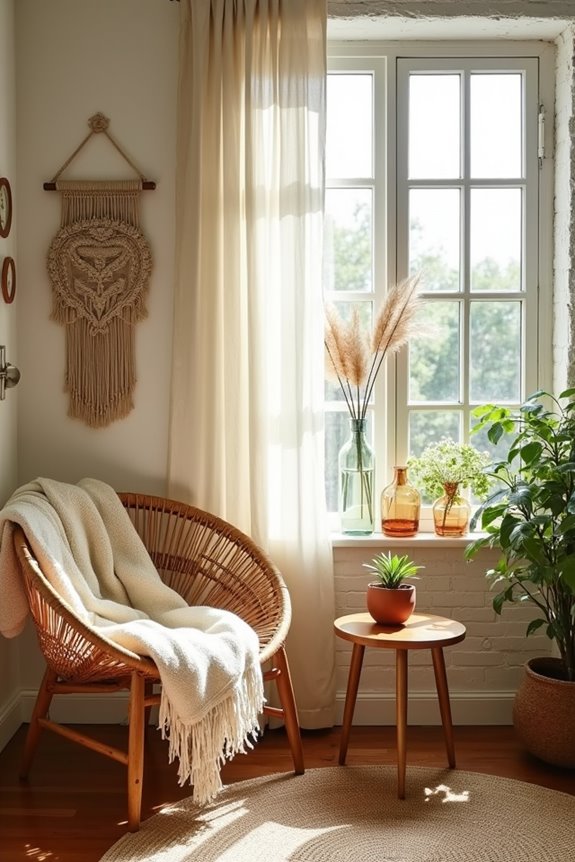
I’ve found that swapping out a few key pieces—like trading a neutral rug for one with deeper jewel tones or adding brass accents to your shelves—can refresh your boho space without a full redesign. You don’t need much: maybe a couple of new throw pillows in rich emerald or sapphire, or even just repositioning your textiles to layer them in ways that feel more organized and purposeful. These small tweaks let your boho vibe evolve naturally while keeping what you already love.
Layering Rich Jewel Tones
How’d you like to completely refresh your boho room without hauling out the furniture or repainting walls?
I’m talking about layering jewel tones—emerald, ruby, and sapphire—over your neutral base. It’s honestly the easiest update I’ve discovered.
Here’s what I’d grab first:
- Jewel-toned pillows in deep emerald ($25-40 each)
- A ruby-red throw blanket for your couch
- Sapphire wall art to anchor your space
- Rattan or wooden pieces that ground the boldness
- Layered textures like macramé or woven rugs
The balance comes when you mix these rich hues with calm neutrals. You’re not screaming for attention—you’re creating depth. I’ve found that this approach feels sophisticated without losing that warm, welcoming boho soul we all crave. Small updates. Real results.
Swapping Textiles And Rugs
Once you’ve got those jewel tones working, here’s where your space shifts—your rugs and throws. I’ve found that swapping out textiles is the easiest way to refresh your Boho space without a complete overhaul. Patterned rugs matter. A custom Christopher Farr rug brings genuine artful impact and color that solid textures simply can’t match.
Here’s my approach: layer multiple textiles strategically. I add throw pillows, blankets, and rugs together to create depth and that lived-in vibe we all crave. It’s maximalist layering done right—not overwhelming, just genuinely cozy.
Small swaps matter too. New baskets, plant-themed textiles, and fabric-covered lighting shift your room’s energy. These updates preserve your Boho character while keeping things fresh and inviting.
Incorporating Metallic And Brass
Why does adding a single brass lamp or swapping out picture frame hardware feel like it breathes new life into a tired Boho space?
Because small metallic touches work wonders. You’re not buying new furniture—you’re enhancing what you already have. I’ve discovered that brass accents pair beautifully with earthy tones like terracotta and moss green, creating depth without overwhelming your relaxed vibe.
Here’s what I’d refresh first:
- Brass lamps that cast warm, golden light
- Picture frame hardware in antique brass
- Metallic throw pillow details
- Woven baskets with subtle shimmer
- Wall décor with brushed brass finishes
These quick swaps introduce that luxe touch you’re craving. Brass doesn’t shout—it whispers sophistication. You’re preserving Boho’s comfort while adding intentional sparkle. That’s how you keep spaces feeling fresh and genuinely you in 2026.
Boho in Unexpected Rooms: Beyond Bedrooms and Living Areas
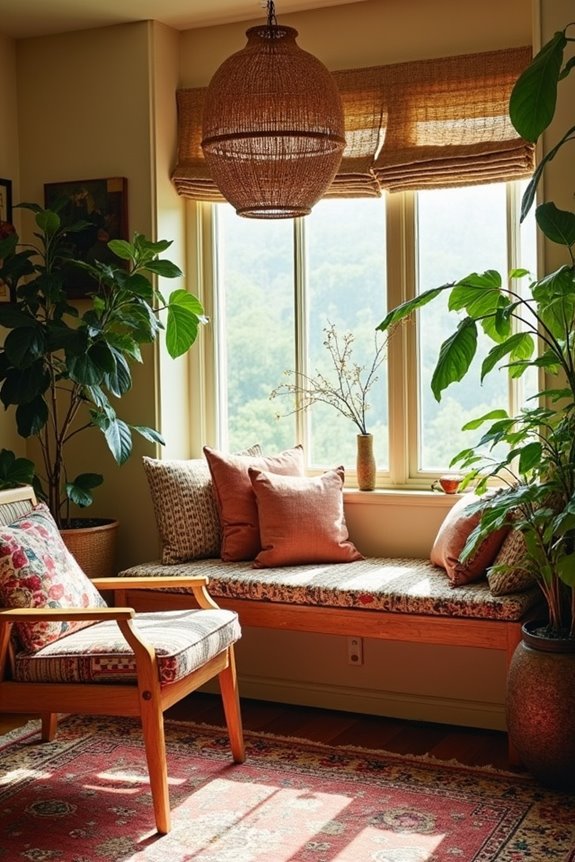
Where’d we get the idea that boho belongs only behind closed bedroom doors or tucked into the living room corner?
I’m bringing boho into my kitchen right now, and honestly? It changes how I cook and gather. Terracotta pots line open shelving. Woven placemats soften our daily meals. Even my outdoor patio’s getting the treatment—organic textures like jute rugs and handwoven baskets create this grounded, welcoming space.
The beauty is that boho in unexpected rooms feels less staged, more lived-in. I’m not trying to match everything perfectly. Instead, I’m layering pieces that tell my story. A vintage rug here. Global textiles there. These spaces remind me that boho isn’t about polished perfection anymore. It’s about creating rooms where I actually want to spend time, surrounded by things that make me feel at home.
Boho Styling Essentials: Materials, Colors, and Textures That Define the Look
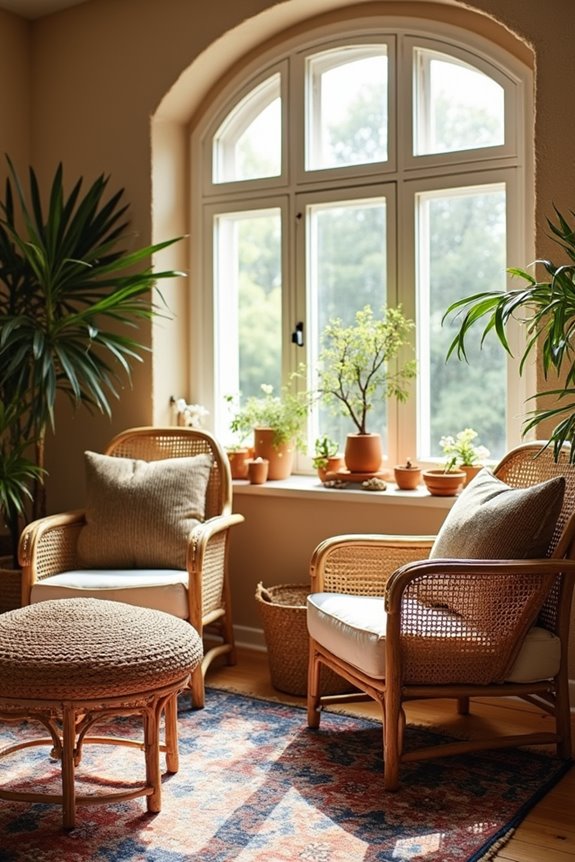
What actually makes a space feel boho—really feel it—isn’t some secret formula or expensive designer pieces. It’s about layering natural materials and earthy tones that speak to who you are.
The essentials include:
- Natural fibers like rattan, bamboo, and jute in furniture and baskets
- Earthy base colors—terracotta, beige, moss green—with jewel-tone accents
- Textured throws, pillows, and woven wall hangings layered generously
- Live plants scattered throughout your space
- Handmade pottery and artisanal accessories
When you gather these elements together, something shifts. Your space stops feeling like a catalog photo and starts feeling like a place where you belong.
How to Balance Boho With 2026’s Bold Color Movement?
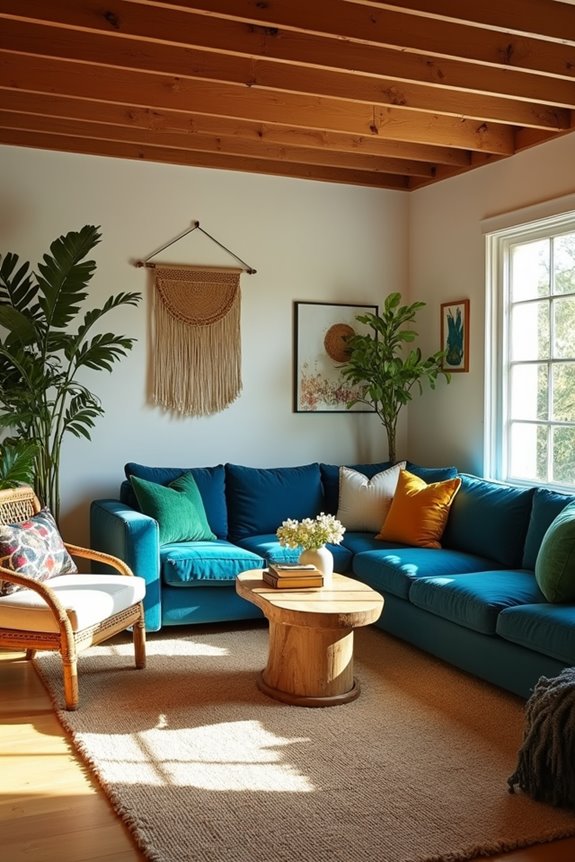
I layer curated vintage pieces as contrast anchors—a handwoven rug grounds bright wall art well. The bold color movement doesn’t mean abandoning boho’s comfort-first approach. I keep curved furniture and plush textiles front and center, letting plants soften any visual intensity.
What matters most? Balance. Your bold color movement works with boho, not against it. That’s how you stay relevant while keeping the warmth you love.
Blending Boho With 2026 Trends: Art Deco and Cosmic Décor as Accents
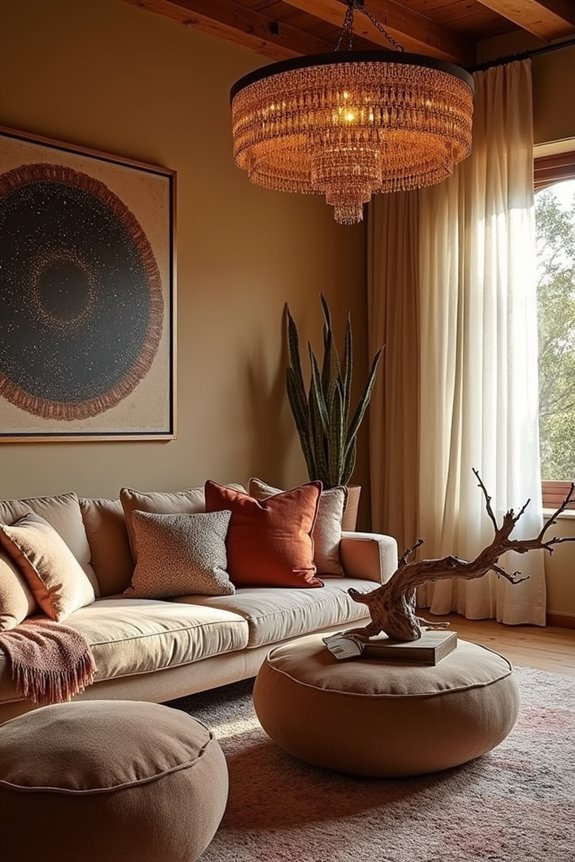
How do you keep boho feeling fresh without abandoning what makes them special? I’ve found the answer in blending classic boho with Art Deco and cosmic décor accents. Here’s what works:
- Metallic details from Art Deco add glamour without taking over
- Single statement artwork featuring cosmic visuals creates drama as your focal point
- Luxurious textiles bridge both aesthetics beautifully
- Handcrafted pieces stay grounded while embracing bolder elements
- Geometric patterns kept understated prevent overwhelming your space
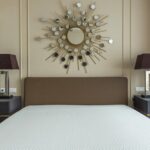
The trick? Think accent, not takeover. I’m mixing my vintage boho treasures with one Art Deco mirror and a cosmic wall print. This approach honors slow living while maintaining intentional design. You’re not abandoning boho—you’re evolving it. That’s what makes 2026 feel both comforting and exciting.