
While bohemian and hippie styles look similar—both feature flowing fabrics and earthy vibes—they’re actually different. Bohemianism, born in 1800s Paris, celebrates artistic expression through eclectic vintage pieces and handcrafted details. Hippie culture emerged in 1960s America, focusing on activism and anti-materialism with bold tie-dye and peace symbols. The distinction: bohemians prioritize personal creativity, while hippies prioritize social change. You might connect with both, or lean toward one depending on what aligns with your values. Understanding these roots helps you style in a way that’s true to who you are.
What Are Bohemian and Hippie Styles?
Have you ever wondered why people throw around “bohemian” and “hippie” like they’re the same thing?
I get it—they’re similar, but they’re actually different. Hippie fashion burst onto the scene in the 1960s as a rebellious movement. It screamed anti-establishment through tie-dye shirts, bell-bottoms, and handmade pieces. It was about protesting and demanding change.
Hippie fashion burst onto the 1960s as a rebellious movement—screaming anti-establishment through tie-dye, bell-bottoms, and protest.
Bohemian styles? They came earlier, rooted in 19th-century artistic communities. Boho emphasizes flowing fabrics, vintage patterns, and ethnic touches. It’s less about rebellion and more about celebrating artistic freedom.
Here’s what matters: hippie fashion channels activism and sustainability. Bohemian styles prioritize personal expression and beauty. Both embrace natural fabrics and layered looks, creating that relaxed, eclectic vibe we love. But their hearts beat differently—one fights systems; one creates art.
Bohemian vs. Hippie Origins: 19th Century to the 1960s
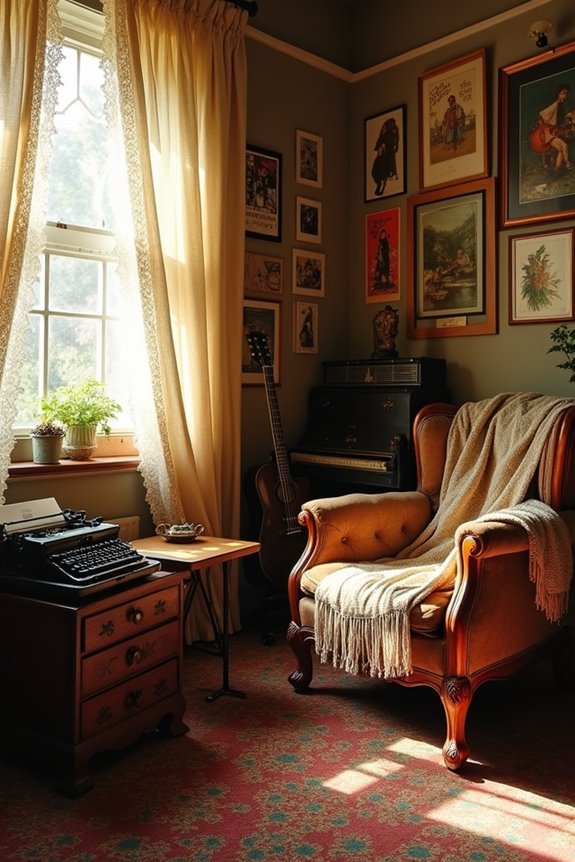
When’d these two styles actually start? They’re different in their origins. Bohemianism emerged in early 19th century Europe, particularly in Parisian artistic communities where unconventional living and creative expression thrived. These artists and writers embraced nomadic lifestyles and rejected mainstream society’s rules.
The hippie movement, though, didn’t arrive until the 1960s counterculture exploded across America. It grew from anti-war protests, civil rights activism, and a hunger for peace and love. Where Bohemianism drew inspiration from European avant-garde traditions, the 1960s counterculture was distinctly American—rooted in that specific moment of social upheaval.
Philosophy and Values: Art vs. Activism
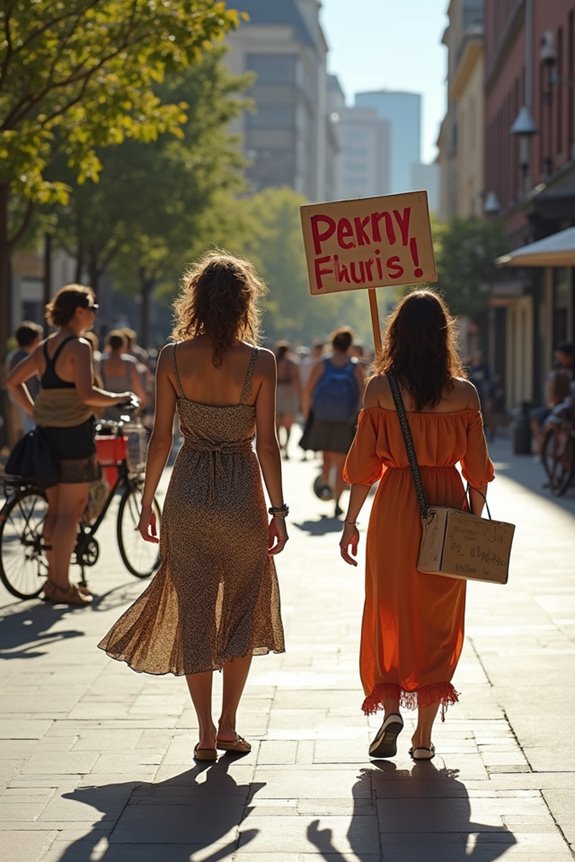
So here’s where things get really interesting—while Bohemians and hippies both rejected the mainstream, they did it for totally different reasons.
| Aspect | Bohemian | Hippie |
|---|---|---|
| Core Focus | Creativity and art | Activism and social change |
| Main Goal | Personal expression | Collective ideals |
| Symbols | Eclectic, handcrafted items | Peace signs, flower power |
| Legacy | Artful living | Eco-consciousness |
You see, Bohemianism centers on your individual creative journey. It’s about making art, telling your own story, and living authentically through self-expression. No political agenda required.
Hippies? They’re driven by activism. They want to change the world through anti-war sentiment, environmental consciousness, and rejecting materialism itself. It’s collective action with purpose.
Today, you’ll find hippie values alive in eco-conscious fashion and activism movements. Bohemian influence lives on through artful living and that flexible emphasis on being yourself. Both matter. Both belong.
What Bohemian and Hippie Styles Share
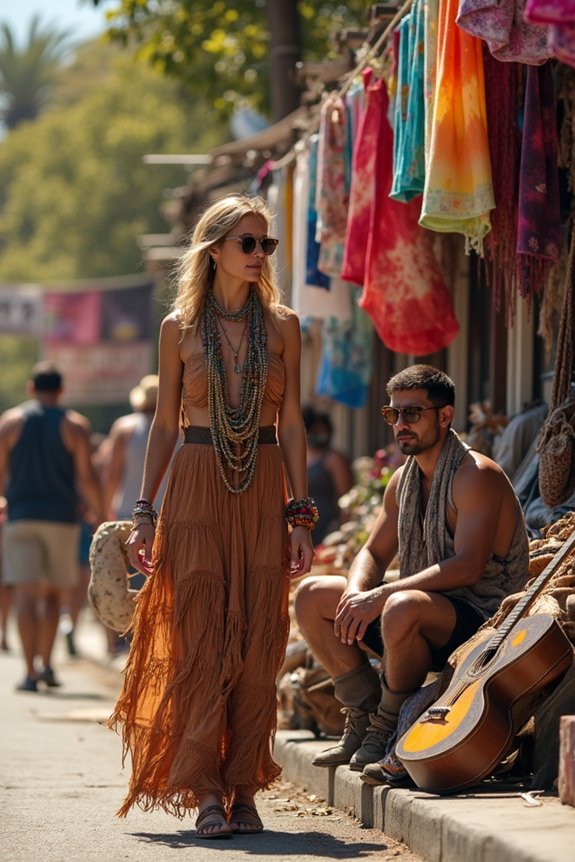
Even though bohemians and hippies came from different places—one from 19th-century artists in Europe, the other from 1960s rebels in America—their styles actually have a lot in common.
Both celebrate self-expression through clothing that feels authentic and real. You’ll find flowing fabrics, layering in creative ways, and handmade touches throughout both aesthetics. Think embroidered vests, beaded jewelry, and fringe details—these aren’t accidents. They’re deliberate choices that say something about who you are.
What stands out most? Neither style demands you fit into boxes. Whether you’re drawn to Bohemian or Hippie vibes, you’re part of a movement that values creativity over conformity. The layering, the natural materials, the eclectic accessories—they all work together to help you express your true self. That’s the real connection between them.
How They Look and Function Differently
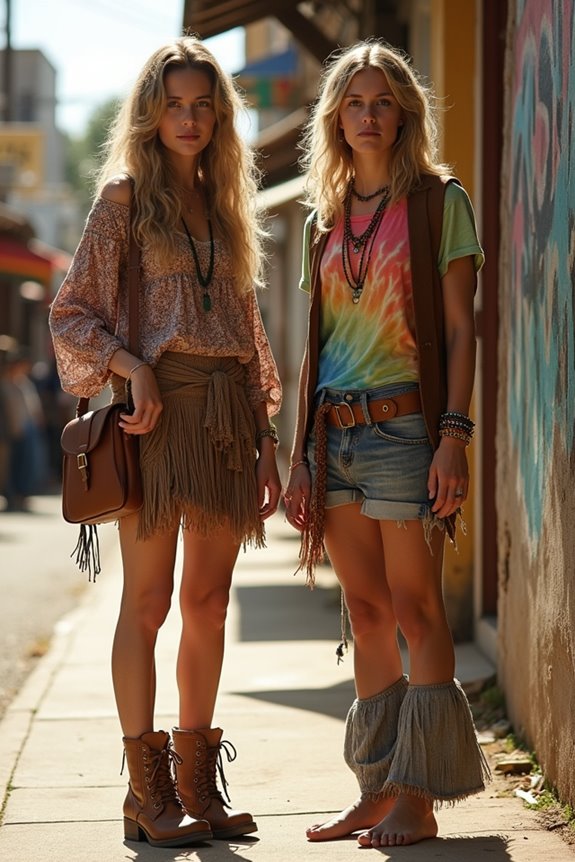
Why do hippie and boho styles look so different when they share similar values? The answer lies in how each prioritizes aesthetics and functionality.
I’ve noticed hippie fashion communicates activism through bold tie-dye and fringe—pieces built for movement at protests and festivals. Boho, though? It conveys elegance with flowing layers and earthy tones that work anywhere from coffee shops to dinner dates.
Here’s what sets them apart:
- Color intensity: Hippie embraces saturated, handmade vibrancy; Boho favors cohesive earth palettes
- Garment structure: Hippie prioritizes practicality; Boho focuses on flowing silhouettes
- Details: Hippie features peace symbols; Boho showcases embroidery and crochet
- Occasion versatility: Hippie suits outdoor gatherings; Boho transitions across settings
- Accessory approach: Hippie uses DIY statements; Boho blends artisanal, symbol-free pieces
Understanding these differences helps you choose what aligns with who you’re becoming.
Cultural Influences and Symbolism
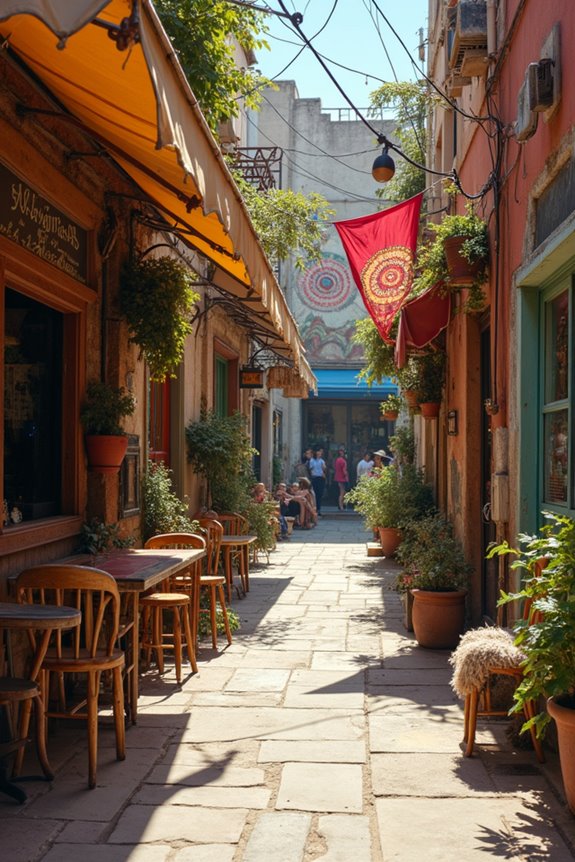
Where do these two styles actually come from? I’ve found they’re rooted in totally different worlds. Hippie activism emerged straight from the 1960s protest movement—anti-war marches, civil rights fights, bold political messaging woven into every outfit. Think tie-dye shirts screaming “peace” and flower power as resistance.
Bohemian symbolism? It’s way older and more artistic. It traces back to 19th-century European artists who rejected mainstream society. They drew inspiration from Romani culture, creating this romanticized vision of nomadic freedom and creativity.
Here’s the key difference: Hippie cultural influences center on activism and unified symbols like peace signs. Bohemian symbolism celebrates eclectic, handmade elements—vintage finds, ethnic textiles, artisanal pieces with no single message. One’s political. One’s purely creative expression.
Bohemian Wardrobe Essentials
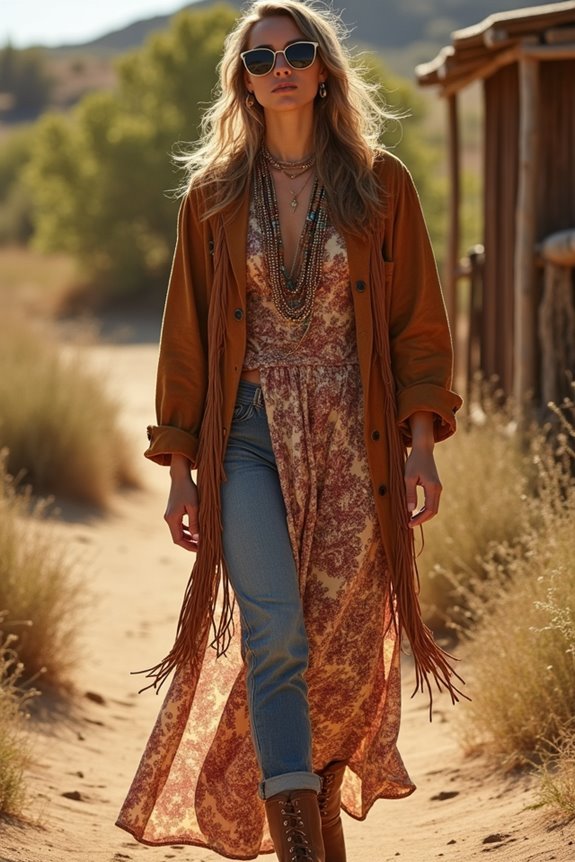
Now that you understand the artistic soul behind bohemian style, let’s talk about how to actually wear it. Building your boho style wardrobe means embracing natural fabrics like cotton and linen that feel good against your skin. Layering thoughtfully and mixing textures creates an authentic bohemian appearance.
Start with these essentials:
- Maxi skirts in earthy tones or ethnic prints
- Embroidered tunics for that handmade feel
- Crochet cardigans that add depth and warmth
- Flowing boho pants in neutral shades
- Statement jewelry featuring beads and vintage pieces
Layering creates that authentic bohemian vibe you’re after. Pair your basics with fringe bags, wide-brimmed hats, and scarves. Mix patterns boldly—olive with terracotta, prints with solids. This isn’t about matching perfectly; it’s about expressing yourself and belonging to a community that values artisanal beauty.
Hippie Wardrobe Essentials
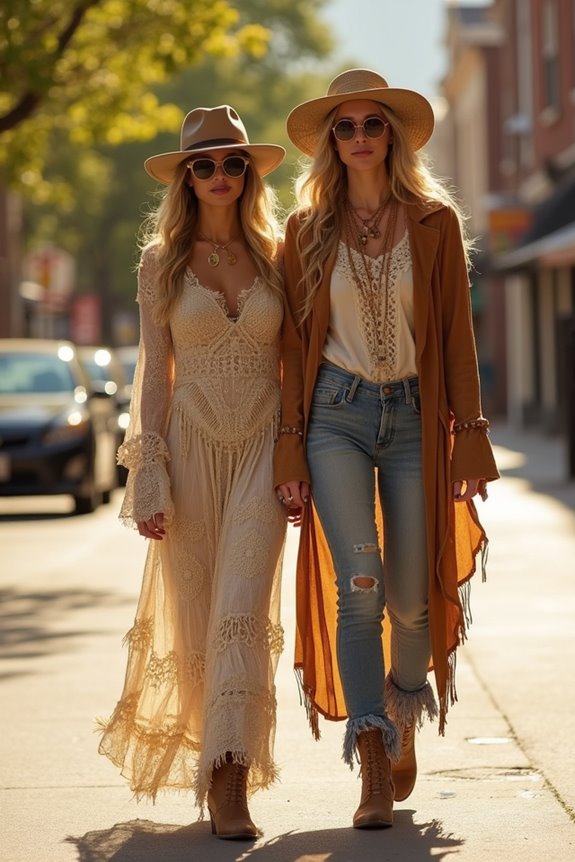
When I think about hippie fashion, I can’t help but picture those vibrant tie-dye tops and bold colors that conveyed freedom and individuality back in the 1960s. What really caught my attention about this style is how fringe and embroidered details changed simple pieces into wearable art—you’d see them on everything from vests to bags, adding movement and personality to every outfit. These weren’t just clothes; they were a way of saying “I’m different, and I’m proud of it,” which is what made the hippie wardrobe so memorable.
Tie-Dye and Bold Colors
How’d hippies turn plain white fabric into walking art? They embraced tie-dye and bold colors as their ultimate rebellion. I find this fascinating because it wasn’t just fashion—it was a statement. During the counterculture movement, hippies grabbed vibrant hot pinks, electric blues, bright oranges, and lime greens to express freedom and optimism. They’d twist, fold, and dye fabrics by hand, celebrating each imperfect spiral and pattern.
This tie-dye aesthetic became inseparable from festival culture. You’d see it everywhere—on T-shirts, tunics, maxi dresses, and pants. The handmade quality mattered deeply. Every garment told a unique story.
Here’s what made tie-dye so powerful:
- DIY rebellion against mass production
- Vibrant spirals symbolized unity and peace
- Each pattern remained completely one-of-a-kind
- Bold hues radiated optimism and hope
- Perfect for expressing individual identity
Fringe and Embroidered Details
Beyond the swirling colors, hippies layered their outfits with fringe and embroidered details that made every movement feel purposeful and alive. I find this commitment to texture worth considering. Those flowing vests and kimonos didn’t just hang on the body—they danced with you. Each fringe strand caught the breeze, creating this sense of freedom that words barely capture.
The embroidery told stories too. Floral motifs and nature-inspired patterns reflected global influences, connecting wearers to something bigger than themselves. You’d see these handcrafted touches on bags and shawls, celebrating DIY bohemian traditions. It wasn’t about perfection; it was about authenticity and belonging to a community that valued artisanal beauty. That’s what made hippie fashion feel so revolutionary and real.
Mixing Boho and Hippie Successfully
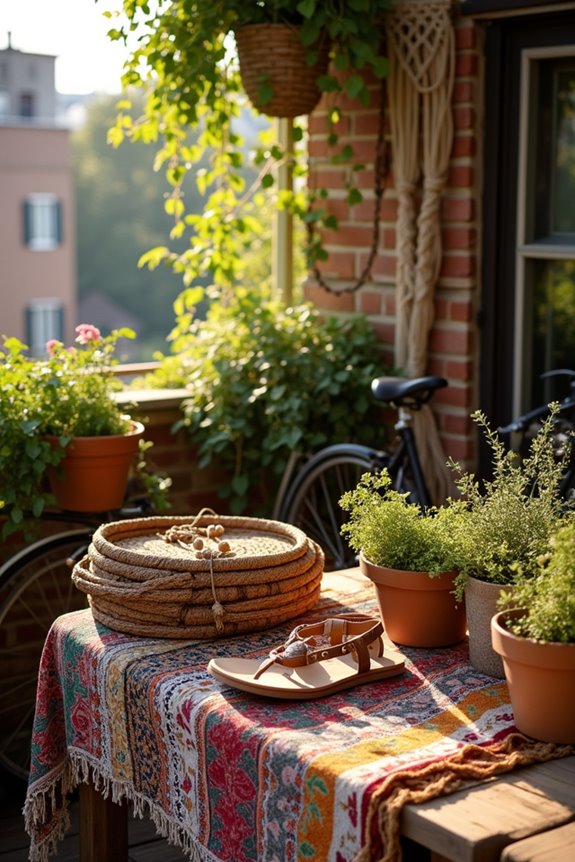
Why not blend the best of both worlds? I’ve discovered that mixing boho and hippie styles creates something that’s all yours. Here’s what works beautifully together:
- Pair tie-dye hippie tops with boho maxi skirts for instant cohesion
- Layer hippie shawls over crochet cardigans to add depth
- Combine bold hippie colors with earthy boho tones throughout
- Mix beaded hippie necklaces with leather boho accents
- Choose gladiator sandals or ankle boots that bridge both aesthetics
The key? Start with signature pieces—a wide-brimmed hat, fringe bag, colorful scarf—that feel genuinely you. Don’t overcomplicate it. When you layer thoughtfully and let accessories tell your story, you’re not creating confusion. You’re crafting belonging. Your wardrobe becomes a reflection of someone who honors both free-spirited energy and earthy elegance.
Boho Chic: The Modern Middle Ground
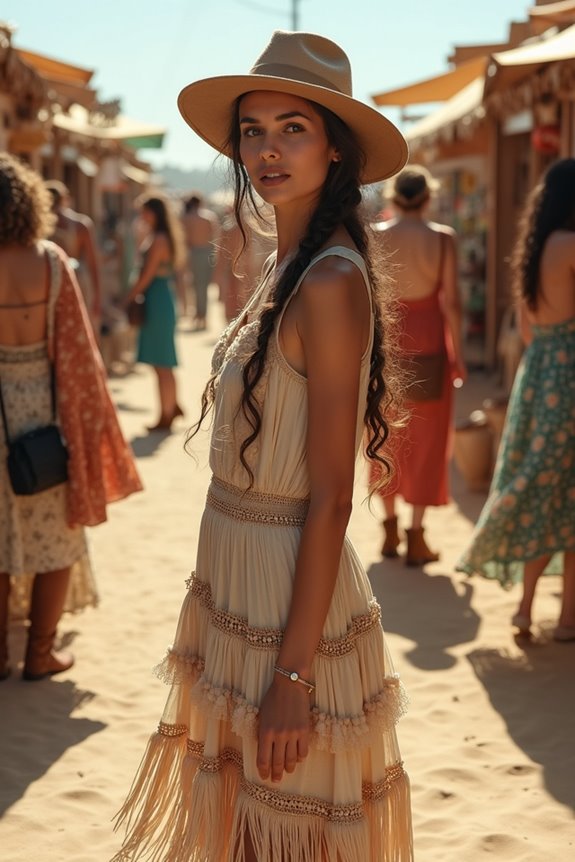
I’ve found that Boho Chic is where I finally understand how to blend what I love about bohemian freedom with pieces that actually feel polished and coordinated. You know that feeling when you throw on a flowy lace blouse with tailored trousers and suddenly look deliberate instead of like you’re still figuring things out? That’s the sweet spot where vintage textures like crochet and embroidery meet modern refinement, and honestly, it’s changed how I get dressed for everything from casual hangouts to actual events.
Contemporary Aesthetic Blending
How’d we get here—to a place where bohemian and hippie vibes actually shake hands instead of arguing?
I think it’s because boho chic found a sweet spot. It takes what we love about the hippie movement—that free-spirited, authentic vibe—and polishes it up for modern life. You’re not choosing between one or the other anymore.
What makes contemporary aesthetic blending work:
- Mixing flowing bohemian pieces with structured, tailored items
- Pairing vintage finds with current, gallery-quality pieces
- Layering textures like crochet and embroidery strategically
- Wearing statement jewelry that feels considered, not chaotic
- Balancing earthy tones with contemporary color palettes
This boho chic approach lets you express yourself honestly while looking polished. You’re creating something distinctly personal—artistic yet wearable, bohemian yet refined.
Vintage Meets Modern Polish
The real strength lies in treating vintage and new pieces as complementary rather than separate. Boho chic works best when you blend both approaches—pairing a thrifted 1970s leather bag with a crisp, contemporary blouse creates a cohesive result.
| Element | Vintage | Modern Polish |
|---|---|---|
| Texture | Worn lace, faded denim | Structured linen, tailored cuts |
| Color | Earthy ochres, muted tones | Clean neutrals, balanced palettes |
| Accessories | Handcrafted jewelry | Statement pieces with purpose |
| Silhouette | Flowing, loose | Refined, intentional |
Eclectic mixing requires balance rather than randomness. When you wear a vintage crochet shawl with modern ankle boots, you’re drawing from both eras. This approach works because you’re combining old and new elements deliberately. The result feels both established and present, giving you a personal aesthetic that works.
Festival and Everyday Styling
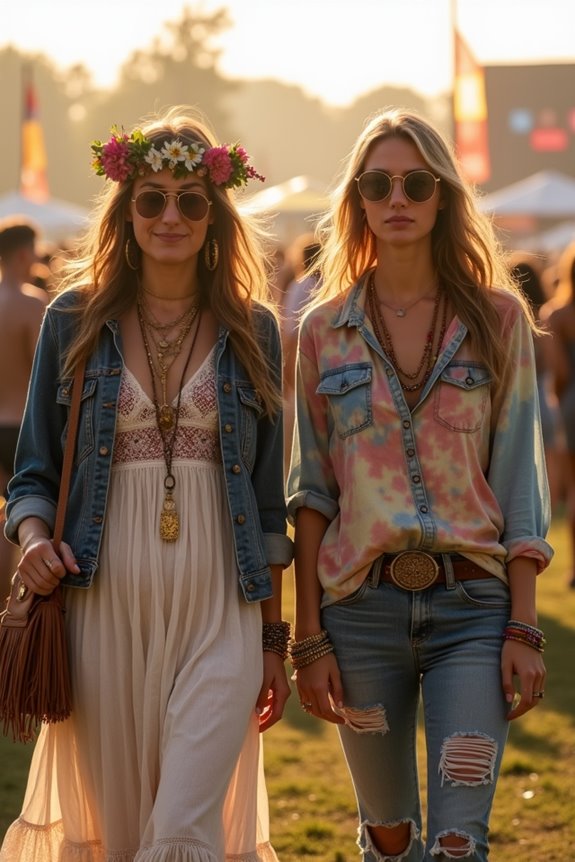
When you’re getting ready for a music festival versus a regular day out, you’ve got some fun choices to make about how bohemian and hippie styles come together.
For festivals, I layer flowy pieces with structured details—think lace tops over tie-dye. I grab my wide-brimmed hat, beaded jewelry, and fringe bag to complete that polished bohemian vibe. It works well for the occasion.
Everyday styling? That’s where I mix bold hippie colors with earthy boho tones. I slip on cotton tunics, maxi skirts, and natural fabrics that are comfortable to wear.
Here’s what makes each work:
- Wide-brimmed hats echo both styles’ artisanal roots
- Handmade jewelry adds authentic personality
- Lace and embroidery balance boho chic
- Comfortable fabrics suit casual outings
- Fringe bags complete festival looks
Both approaches celebrate who you truly are.
Common Styling Mistakes to Avoid
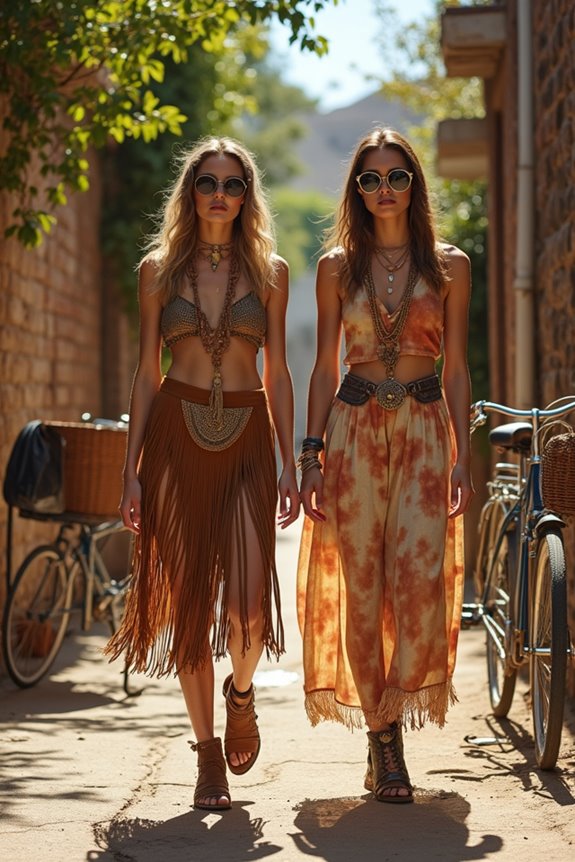
When you’re building your boho or hippie look, clashing color palettes can derail your vibe—mixing bright tie-dye with heavy earth tones without balance just feels off. Overloading with accessories is another trap; piling on layered necklaces, stacked rings, and dangling earrings all at once makes your outfit look cluttered rather than free-spirited. The trick is picking one or two statement pieces that work together, then letting your outfit have room to breathe.
Clashing Color Palettes
How do you know when you’ve crossed the line from free-spirited to visually overwhelming?
I’ve learned that mixing clashing colors without thought creates chaos instead of charm. The key is understanding your palette’s personality before combining pieces.
What throws off your whole look:
- Pairing neon prints with muted earthy tones
- Layering multiple bold prints without breathing room
- Ignoring your color foundation entirely
- Mixing saturated hippie brights with subdued boho textures
- Skipping neutral anchors like cream or beige
I find success by pairing one vivid hippie top with earthy boho bottoms. This creates contrast that works. A single neutral base—think a $30 cream cardigan—unifies everything. When you ground bold prints in muted naturals, you achieve that balanced approach. Your outfit feels deliberate, not accidental.
Overloading With Accessories
Too many accessories at once? I’ve been there, and it pulls your whole boho-hippie vibe apart. When I started styling, I’d pile on beaded necklaces, fringe bags, scarves, and headbands simultaneously. It looked cluttered, not planned.
Here’s what changed my approach: I limit myself to 2–3 accessory categories per outfit. Maybe jewelry and a bag. Maybe a hat and one necklace. That’s it.
Choose one bold piece—a crocheted cardigan or tassel bag—and let it stand out. Pair it with neutral accessories so nothing fights for attention. Avoid mixing multiple bold prints or textures together.
I also stopped combining era-specific symbols like peace signs and yin-yang symbols in one look. It felt scattered.
When you’re selective with boho-hippie accessories, your styling comes together naturally. Your outfit has room to develop. You feel like yourself.
Finding Your Bohemian or Hippie Identity
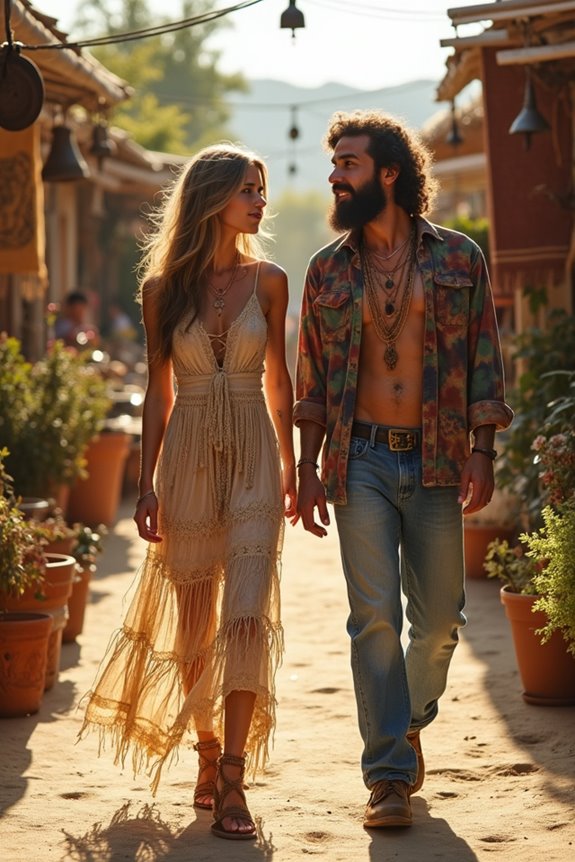
Maybe you’ve been scrolling through vintage shops or catching yourself drawn to flowy fabrics and handmade jewelry, and you’re wondering which path speaks to you.
Here’s the thing: your Bohemian or Hippie identity isn’t about picking a box. It’s about what makes you feel like yourself.
Consider these questions:
- Do you crave artistic expression and eclectic vintage pieces (Bohemian) or grassroots activism and anti-materialism (Hippie)?
- Which style resonates: layered, earthy tones or bold tie-dye?
- Do handcrafted accessories and natural fabrics call to you?
- Does peace-sign jewelry feel authentic to your values?
- Are you drawn to modern polish or countercultural messaging?
Start mixing elements that genuinely excite you. Combine crochet with peace symbols. Layer vegan fabrics in earthy tones. Your style should reflect your creativity and individuality—not someone else’s identity.